Why Operational and Analytical Teams Can't Share Data
Operational and analytical teams use different tools, see different data. Bridge the divide with Kafka + Conduktor for AI, compliance, and insights.

Operational and analytical systems live in silos. So do the teams. They don't use the same tools, speak the same language, or see the same data.
This divide is structural. Operational teams focus on ingestion, stream processing, and pipeline performance. Analysts and data scientists care about data quality and readiness for analytics and AI.
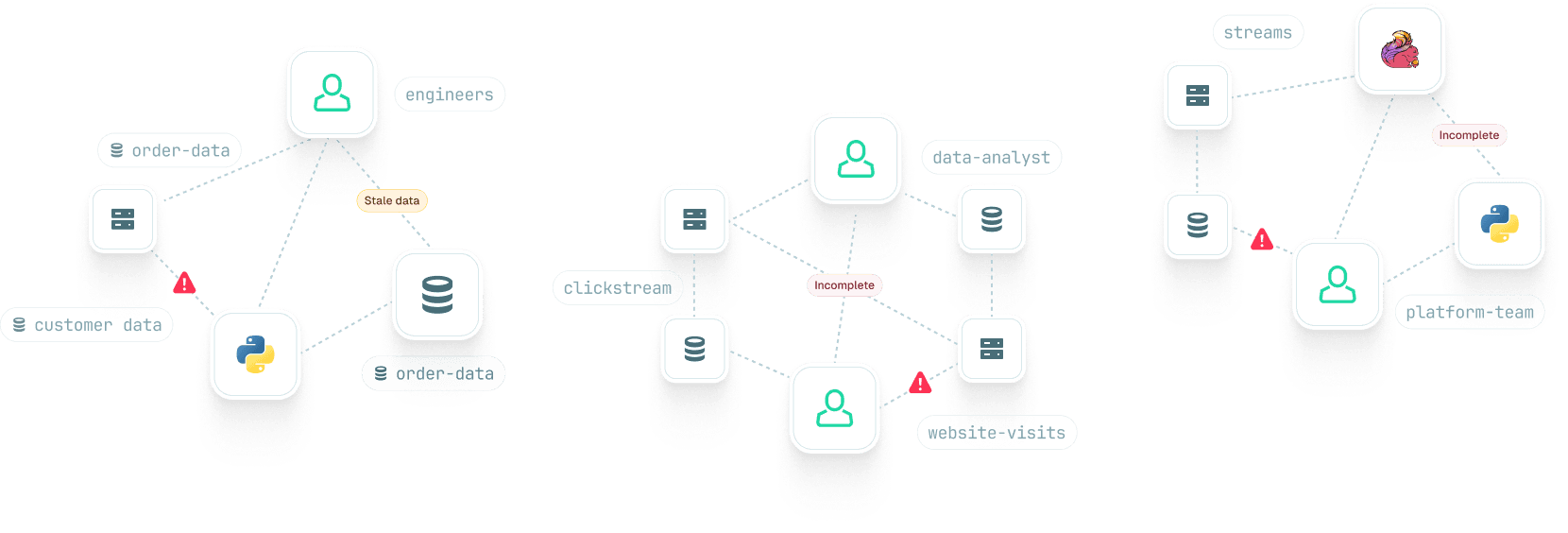
Fragmented systems create compliance gaps, inflated costs, and blind spots. Data sits unused. Models lack context. Dashboards miss critical information. Sensitive data becomes unauditable.
Operational vs. Analytical Data
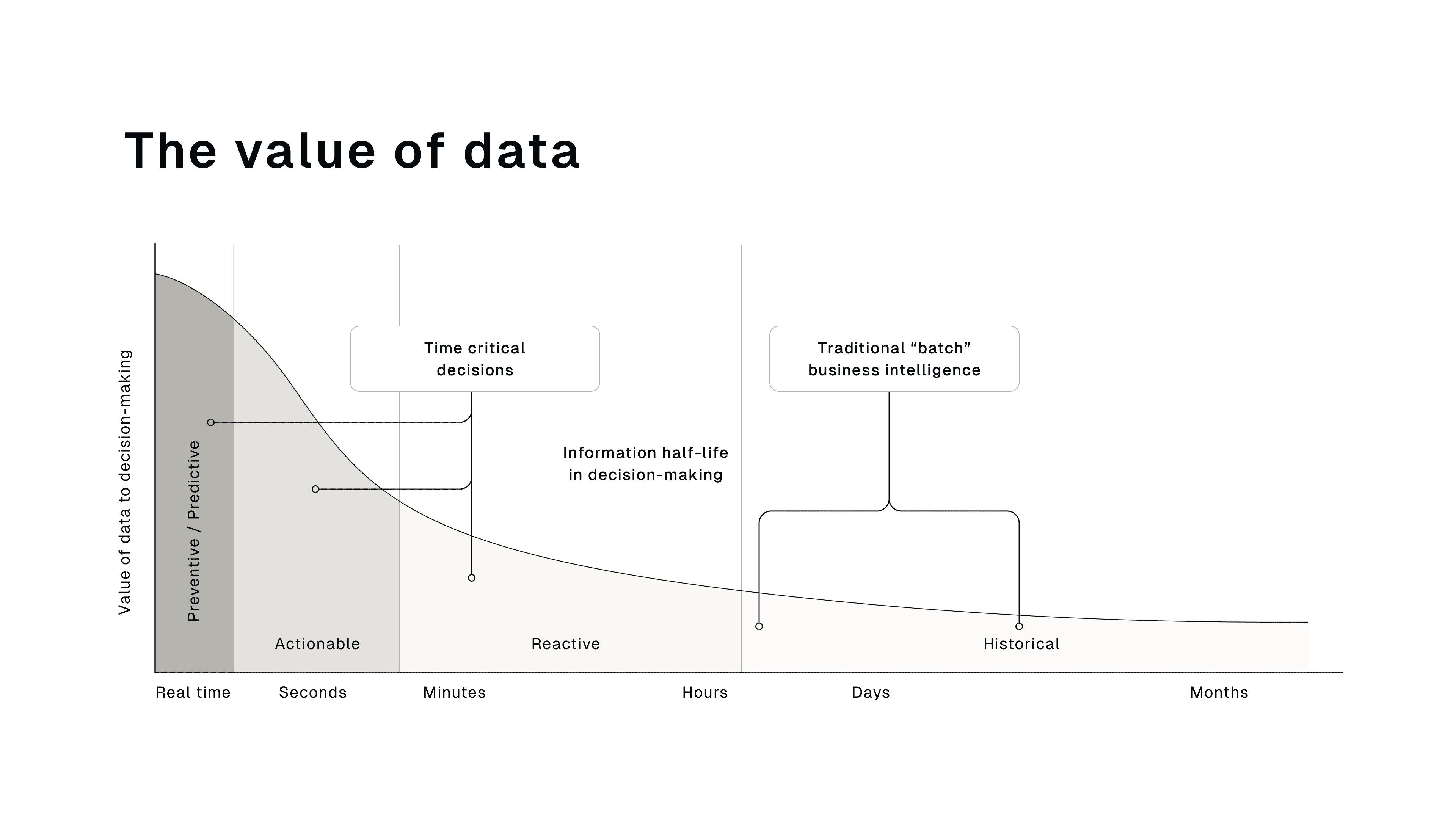
Operational data is real-time data powering decisions, coordination, and AI outcomes. User transactions, sensor readings, system events. Diverse in format and purpose.
Analytical data is operational data that's aged and persisted for strategic planning. Historical context for analysis and learning. Revenue per quarter, profit margin by store, trends over time.
They live in different places:
- Operational: databases, streams, APIs, message queues
- Analytical: warehouses, lakes, lakehouses
They use different schemas:
- Operational: relational (rows, columns, tables)
- Analytical: denormalized wide tables for complex queries
Moving Data Between Systems Breaks Pipelines
Minor flaws in upstream data amplify downstream. Costs for repair increase at each stage.
Common problems:
- Upstream developers use ORMs or nested JSON
- Schema mismatches break pipelines
- Pipelines stop until someone fixes them
Case study: European postal service
Analysts and data scientists couldn't utilize real-time data. They had no way to discover Kafka data scattered across clusters. When they found data, they often lacked authorization.
Conduktor gave hundreds of analysts secure access to Kafka without learning Kafka. They search across clusters, see stream structures, check sample payloads, and decide if data fits their use case. Group-level access control ensures users see only permitted data. Once they find useful data, they request persistence to the data lake.
Process Barriers Are Worse Than Technical Barriers
At the postal service, persisting operational data to analytics is still slow. Users can view data, but requesting a connector requires internal permission validation—a process that adds weeks.
The divide isn't just technical. It's organizational. Business units don't work together early in the data lifecycle.
Case study: French financial firm
50 architects build applications and oversee the data warehouse. They don't work with data scientists to create data contracts or data dictionaries (references for field names, lineage, formats).
Neither team has shared documentation on schema, KPIs, freshness rules, retention, or ownership. Nobody knows where data originates, what it represents, or what guarantees apply.
Platform engineers can't build quality checks or enforce governance without knowing what to look for. Data scientists rely on the platform team for pipeline troubleshooting, creating ticket backlogs.
Compliance becomes risky. GDPR requires audit trails logging everyone who viewed or interacted with sensitive data. Without lineage and usage history, organizations violate legislation. Fines reach 4% of global turnover or €20 million.
Closing the Divide
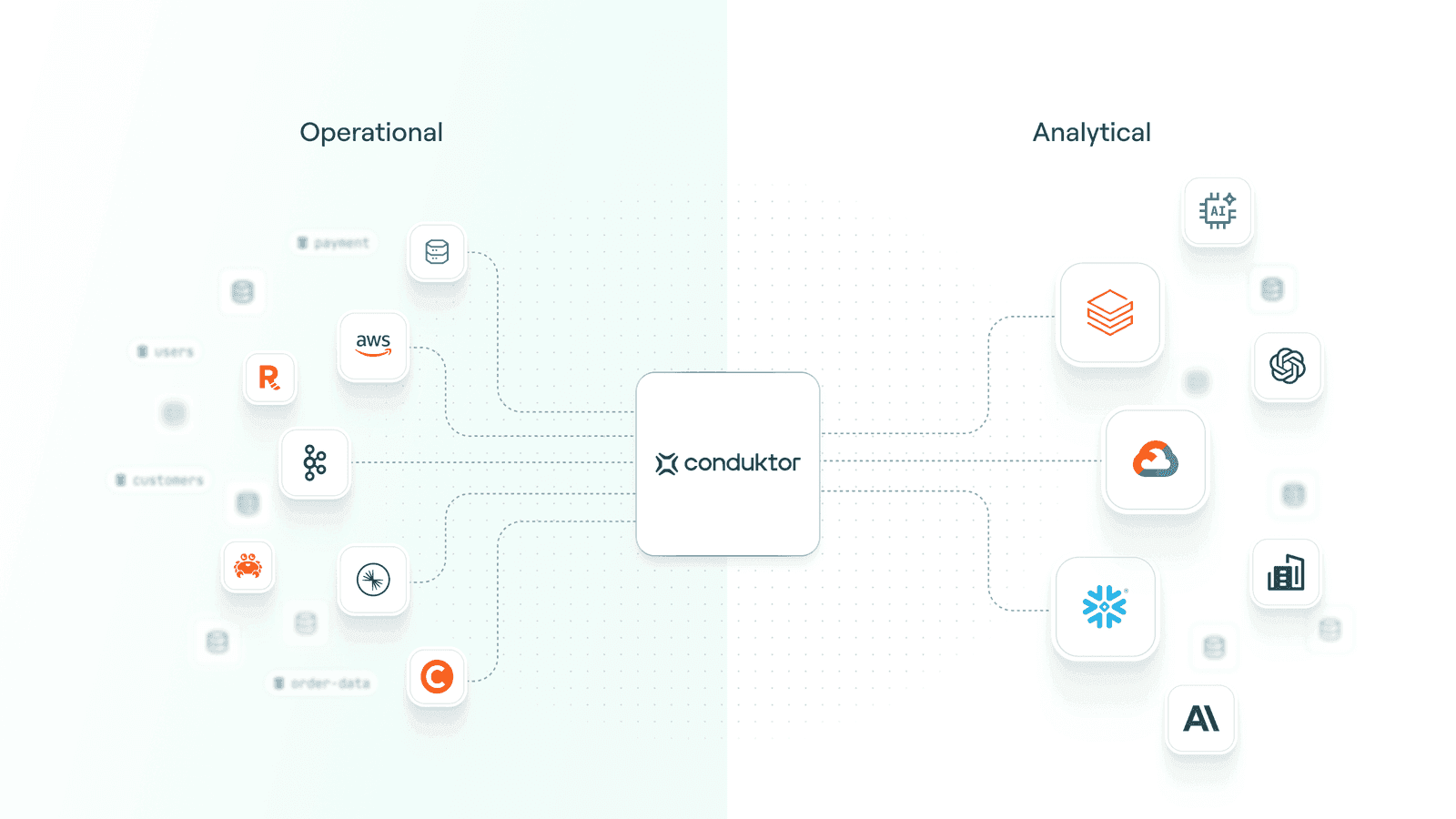
Conduktor sits between source systems and consumers (applications, lakehouses, BI tools, AI agents).
Discoverability: Operational data becomes findable and actionable.
Access control: Centralized permission management. Platform teams control which analysts access which data.
Connector management: Templated configurations with predefined security settings and transformations. Status monitoring. Self-service deployments.
The operational-analytical divide is both technical and organizational. Conduktor helps cross it: data becomes discoverable, governance becomes practical, connectors become manageable.
Book a demo to see how this works for your teams.