What a Series A Startup Can Actually Do About Work-Life Balance
How Conduktor built work-life balance at Series A through hybrid working, transparent feedback, and health benefits—without sacrificing startup velocity.

Series A startups have a reputation for hustle culture and 24/7 availability. Some of that reputation is earned. Working for an early-stage company means context-switching constantly, meeting tight deadlines, and feeling pressure that can blur the line between passion and burnout.
But it's also exhilarating. You build from scratch. You watch your vision become real. You work with people whose careers accelerate faster than they would at larger companies. And the success of a startup comes down to its people. Making sure they can do their best work matters.
Most writing on this topic comes from companies with budgets for fancy well-being programs. As a Series A startup, we don't have that luxury. Here's what we've done at Conduktor with limited resources, and what impact it's had.
Hybrid Working Builds Culture Faster Than Full Remote
Conduktor launched during Covid, so remote was the default. As we grew, we established a London HQ and moved to hybrid: a couple days in the office, the rest remote.
The main reason: culture. Regular face time with me, my co-founder Stéphane, managers, and teammates has measurably improved happiness. Stronger team bonds emerge. Spontaneous discussions spark innovation.
We also don't micromanage attendance. We trust people to manage their own time. No clocking in and out. That trust matters as much as the face time.
Create Multiple Channels for Honest Feedback
Sometimes the biggest threat to work-life balance isn't work. It's personal challenges. People aren't robots. They can't always "leave problems at the door."
One of our core values is "we speak the truth." We've built that into how we handle well-being.
Two initiatives have had the biggest impact. First, we train managers to build real relationships with their teams, not just task management. Second, we've created multiple feedback channels: engagement interviews where we ask for honest views on company operations, quarterly pulse surveys, and anonymous questions at all-hands meetings.
More ways to share thoughts means more opportunities to catch problems early and actually fix them.
Collaboration Reduces Individual Burden
Another core value: "we collaborate." Without strong collaboration, talented individuals hit walls.
Good collaboration means lending an ear, recognizing when colleagues need help, and sharing stress when deadlines loom. It distributes the weight.
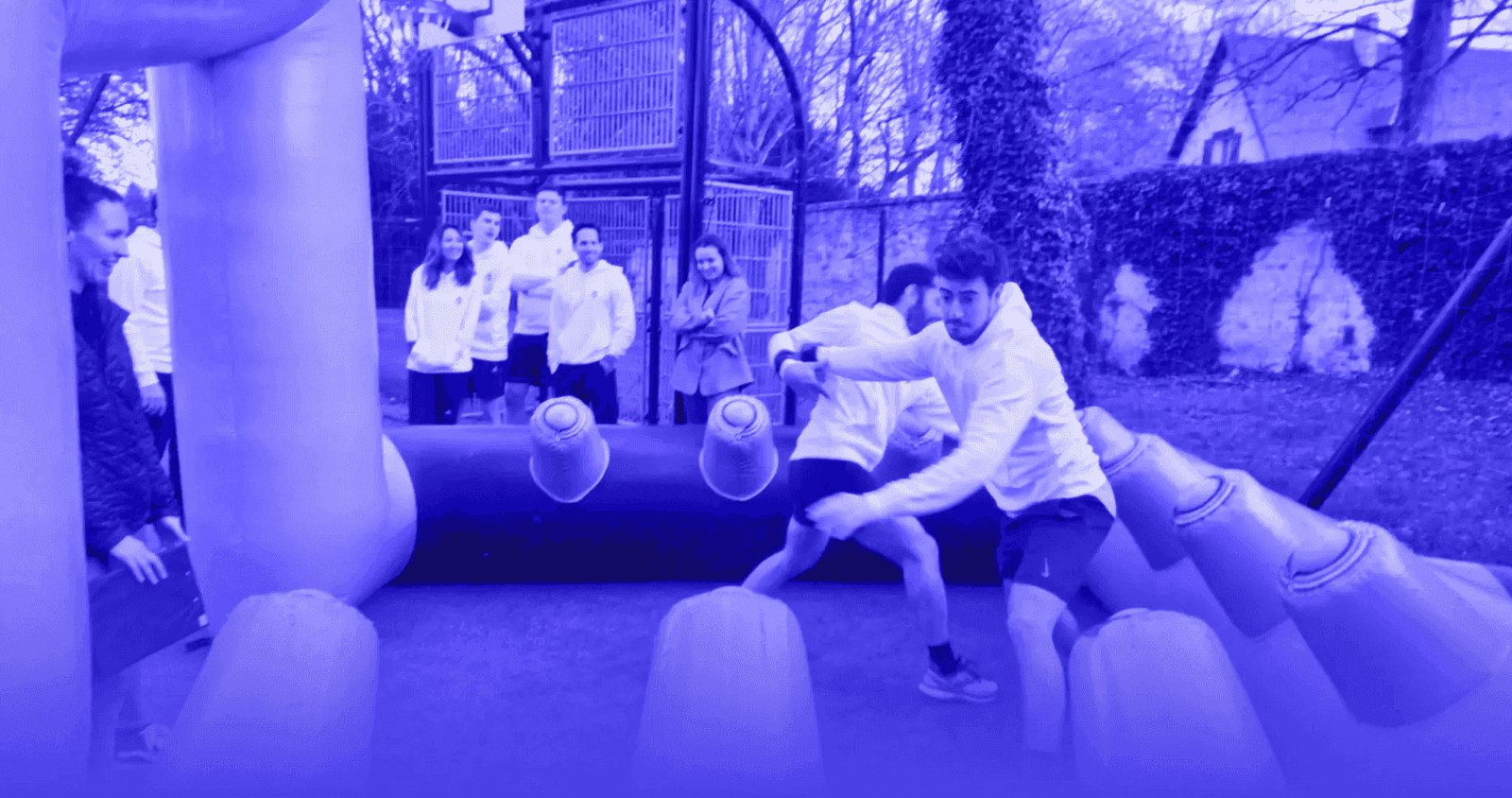
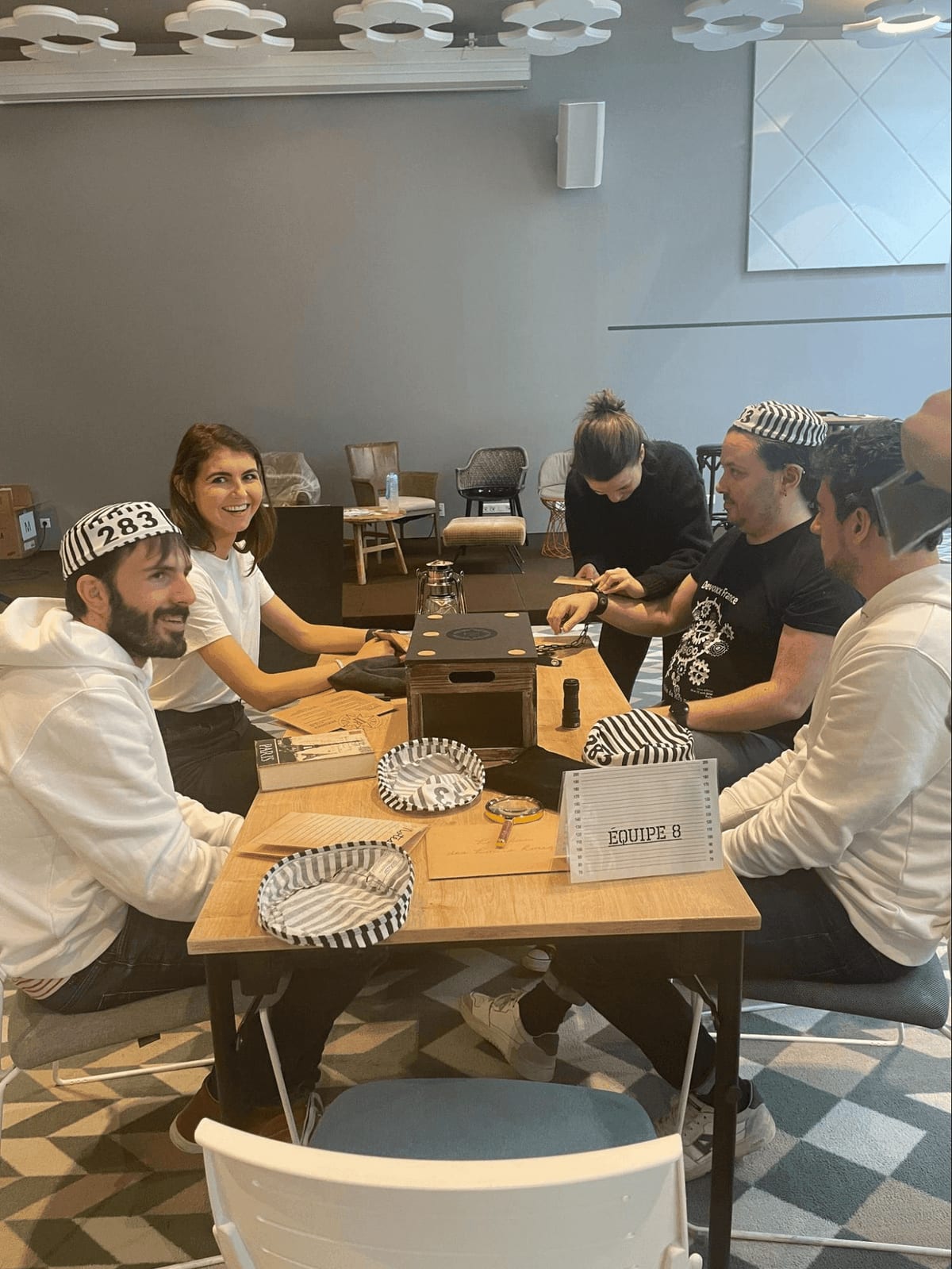
Fun matters here too. Weekly team lunches, social events outside work, team competitions. These aren't frivolous. They build the trust that makes collaboration work.
We also bring the entire team together once a year for an offsite, including fully remote employees. Our latest offsite theme was collaboration itself. The energy and motivation boost from simply having fun together carries through the rest of the year. (More on this in Key Learnings from our 2023 offsite.)
Health Insurance From Day One
Startups struggle to match big company perks. But one benefit we prioritized from the start: comprehensive medical insurance for every employee regardless of location.
Burnout, stress, personal challenges, long wait times for free healthcare: all of these affect mental well-being and work-life balance. Private medical care, covering both physical and mental health, removes one source of worry. We use SafetyWing to provide this globally.
Start Early, Keep Improving
We're not perfect. We have a lot to learn. But recognizing what steps are possible at the Series A stage matters. Embedding focus on work-life balance early, having these conversations from the outset, creates a foundation that scales.
We're committed to pushing ourselves to do better as we grow.