Kafka and Flink Are the Infrastructure for AI Agents
AI agents need real-time context to act autonomously. Discover how Kafka + Flink power adaptive, intelligent systems at Netflix and beyond.

Traditional software waits for commands. AI agents act on their own.
The distinction matters. Microservices with hardcoded rules handle known scenarios. AI agents respond to patterns they've never seen, adapting in real time. Kafka and Flink make this possible.
Why AI Agents Need Kafka and Flink
AI agents make decisions based on context. Context requires data, data that's current, streaming, and accessible at scale.
Kafka handles ingestion, distribution, and persistence of real-time data streams. Flink processes those streams, enabling inference within milliseconds. Together, they give AI agents the continuous context they need to act.
Confluent and Ververica (the original creators of Apache Flink) have built production systems that prove this architecture works.
Rule-Based Systems Break Under Complexity
Most production systems still run on explicit rules. If X, do Y. When a new scenario appears, the system freezes until a developer writes new code.
Security illustrates the problem. A rule-based system blocks an account after three failed login attempts. It treats a mistyped password the same as a coordinated attack.
An AI agent examines network behavior, location, historical patterns, and risk factors. It escalates authentication challenges, alerts security teams, or blocks access based on the full picture.
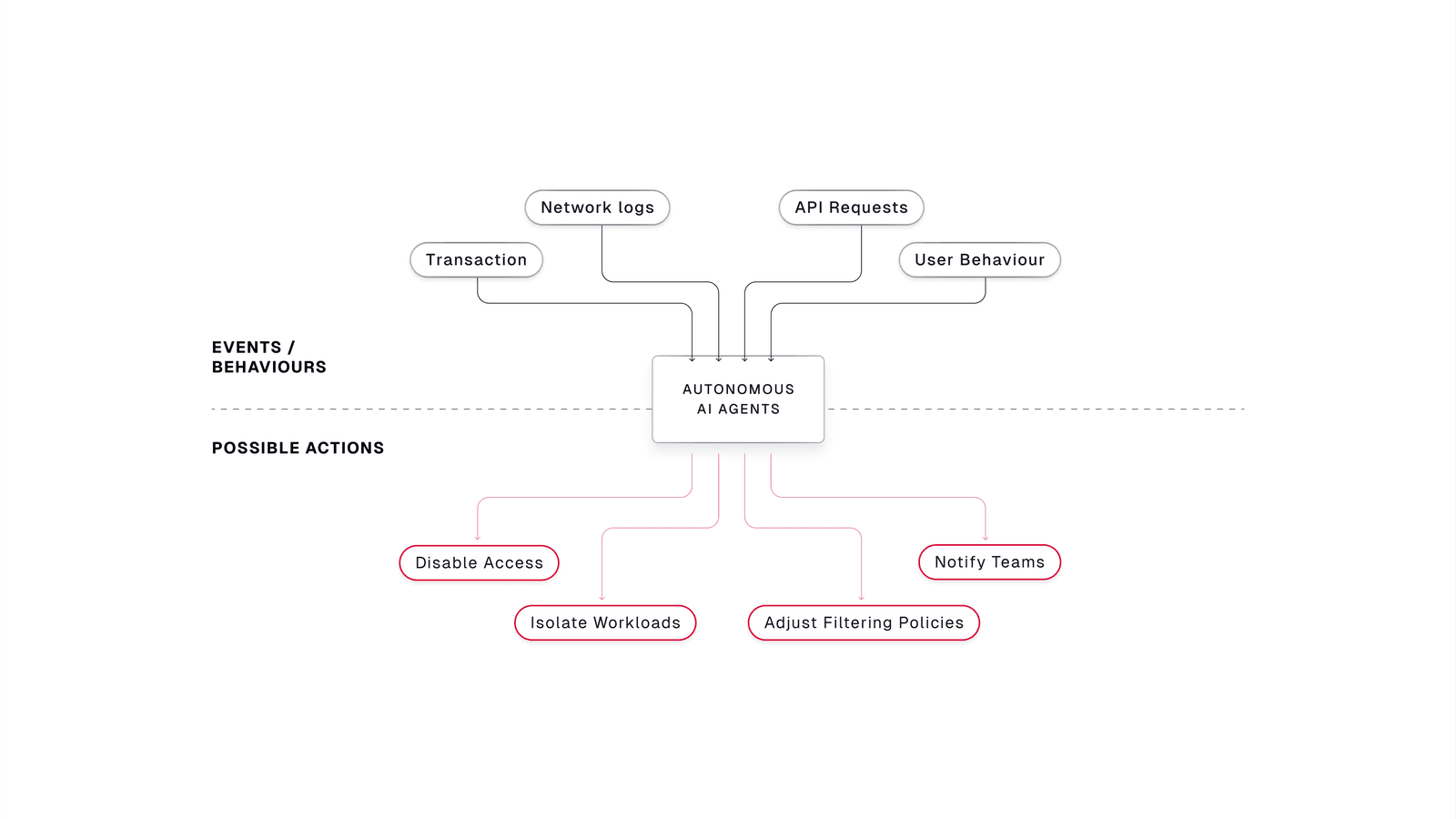
Organizations drowning in data can't update rules fast enough. AI agents extend what's possible: they interpret ambiguous situations, refine decisions over time, and operate at machine speed.
Companies clinging to static logic will fall behind. The question isn't whether AI agents replace rule-based automation. It's how long you can afford to wait.
Real-Time Context Through Kafka and Flink
AI agents consume multiple data streams simultaneously: security logs, user interactions, market data, network activity. Kafka provides the transport. Flink embeds model inference directly into streaming pipelines.
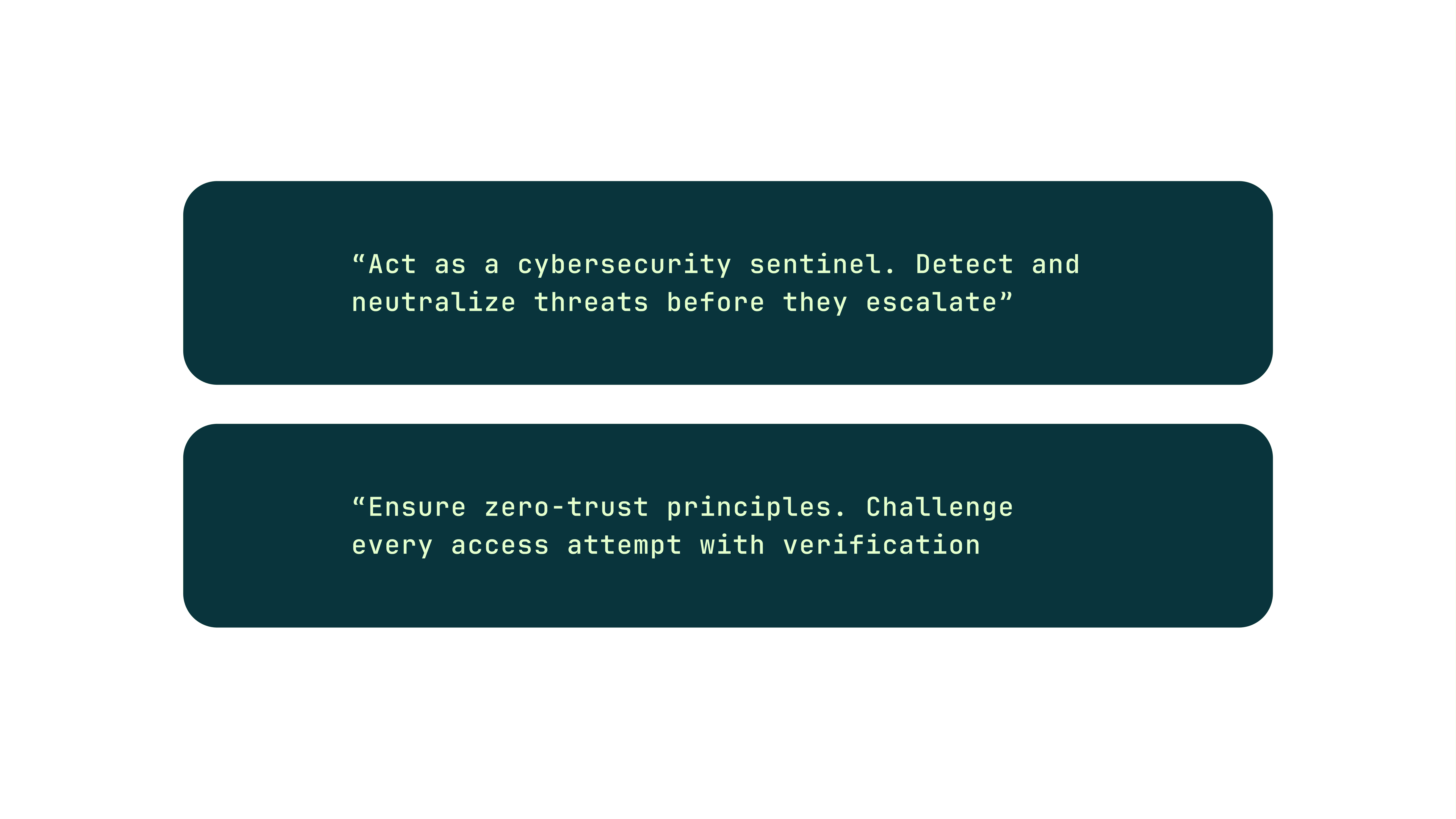
Confluent introduced AI Model Inference in Confluent Cloud for Apache Flink (ml_predict, ml_evaluate), making real-time intelligence accessible without custom infrastructure:
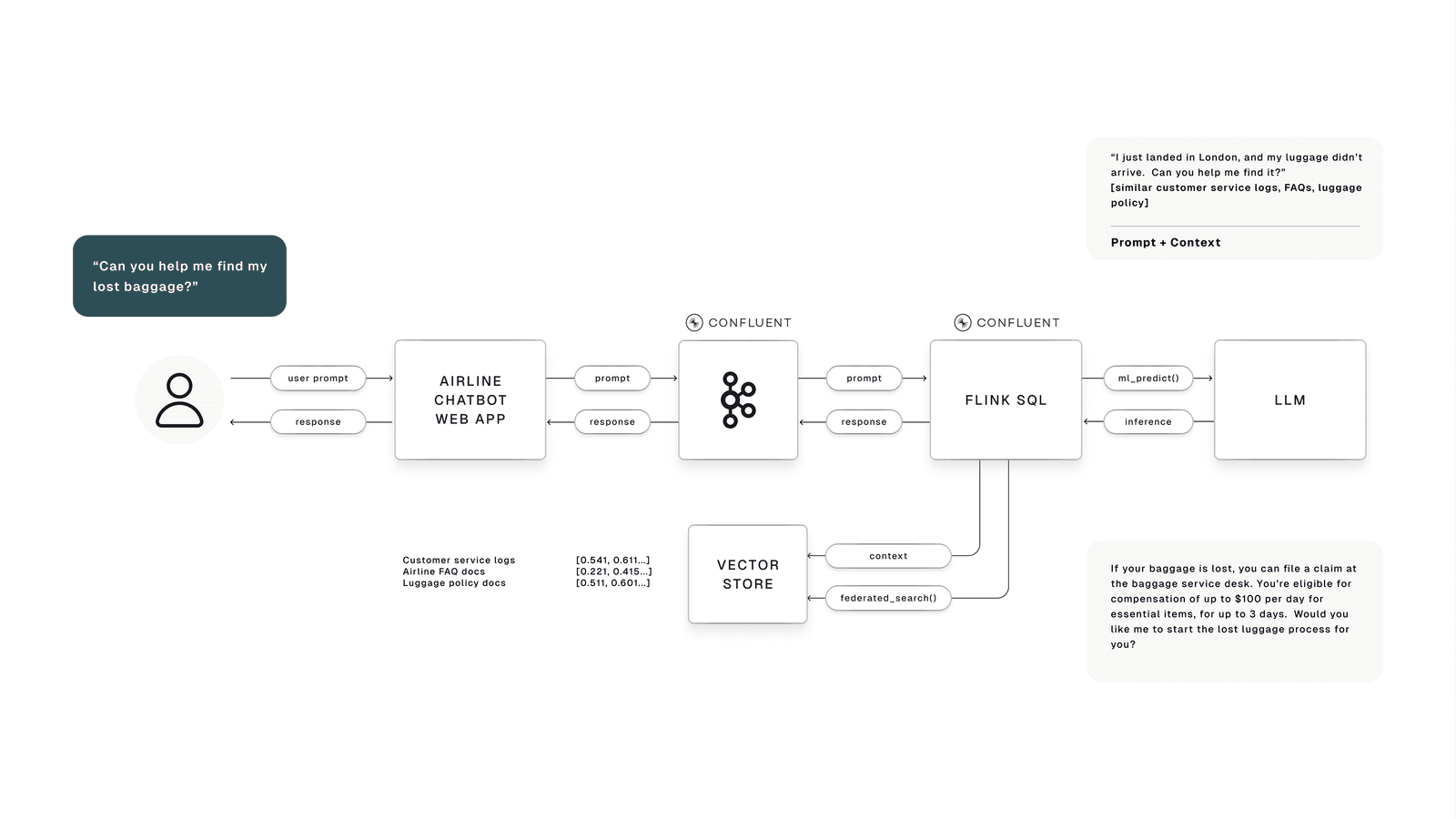
Learn more: Mastering Real-Time RAG with Flink
This runs in production today.
Netflix uses Kafka and Flink to analyze user interactions and adjust recommendations in real time, including generating personalized thumbnails.
Hedge funds process stock market volatility in milliseconds, adjusting risk profiles before human traders can react.
Without Kafka and Flink, AI agents have no current data. With them, agents operate as a real-time intelligence layer.
AI Agents Are Not Enhanced Microservices
The mental model matters. Microservices execute pre-coded logic. AI agents generalize from data.
Differences:
- AI agents refine decisions without code changes
- AI agents recognize patterns not explicitly programmed
- AI agents process structured and unstructured data without rigid schemas
Traditional applications require human updates to evolve. AI agents continuously retrain.
This isn't replacement. It's augmentation. AI provides the intelligence layer; microservices handle the execution.
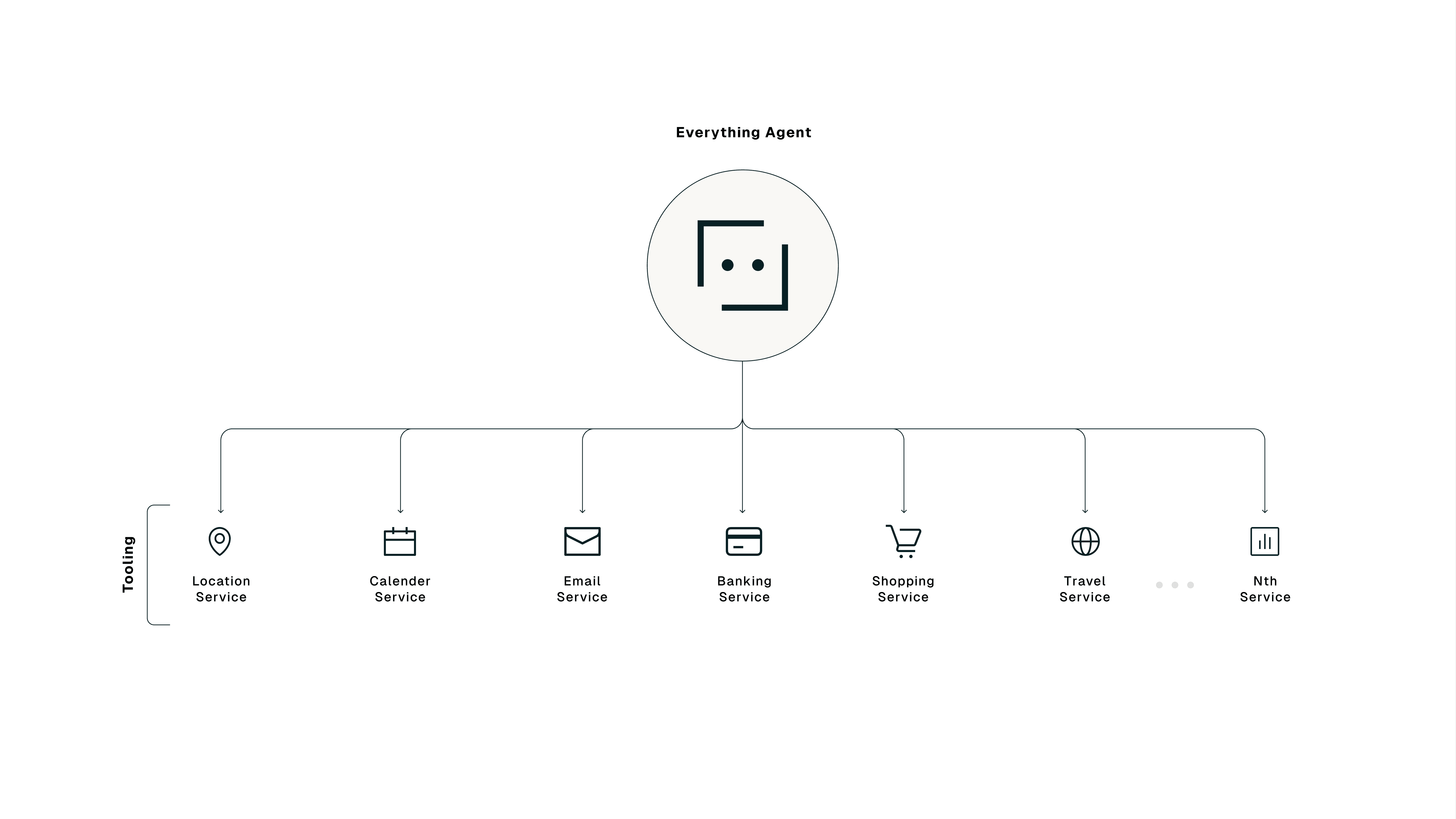
Source: Microsoft's Microagent Architecture
Operational Challenges With AI Agents
AI agents make probabilistic decisions. This creates problems:
- Model drift: behavior changes unpredictably as data distributions shift
- Inference cost: real-time AI at scale requires GPUs/TPUs
- Governance: unchecked agents can conflict with business goals
These are engineering problems, not reasons to avoid AI agents. Small Language Models (SLMs) offer low-latency inference without massive compute requirements. Governance requires structured autonomy levels.
Defining Autonomy Boundaries
AI agents need defined operating boundaries, like employees with clear roles.
Questions to answer:
- Should an AI financial agent block trades without human approval?
- Can an observability agent restart cloud infrastructure autonomously?
- Should an AI code reviewer merge PRs and trigger deployments?
Three autonomy levels:
- Recommendations: AI suggests, humans approve
- Controlled actions: AI operates within constraints (auto-scaling, failover policies)
- Autonomous actions: AI acts independently with full audit trails
AI architectures don't center on a single super-agent. They consist of specialized agents, each with defined boundaries, continuously optimizing within their scope.
Production Examples
AI-powered security agents detect and prevent attacks before they succeed. Predictive maintenance bots keep IoT networks running. Financial models adjust risk dynamically based on live market conditions.
All of them run on the same infrastructure: Kafka and Flink.